Most homeowners think about their garage door roughly twice a year: when it stops working, and when they’re trying to sell the house. The rest of the time, it just opens and closes. No drama, no thought required.
But a garage door is the largest moving mechanical system in most homes. It cycles through thousands of movements per year, under tension from heavy springs, driven by motors and cables that wear down incrementally. By the time something fails visibly, the underlying problem has usually been building for months.
Regular garage door service is not a luxury. It is basic mechanical upkeep for a system that handles more daily stress than most people realise.
What “Garage Door Servicing” Actually Involves
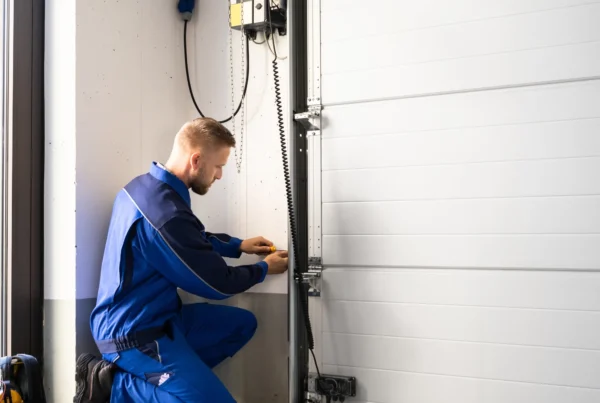
The term gets thrown around loosely, so it is worth being specific. A proper service visit is not just a quick look and a squirt of lubricant. A qualified technician will typically cover:
- Spring tension inspection and adjustment: Torsion and extension springs are under significant load. They lose tension gradually, which throws off balance and strains the opener motor.
- Cable and pulley check: Frayed cables are a safety hazard. They can snap without warning, especially if the door is frequently used.
- Hardware tightening: Hinges, rollers, and brackets loosen over time from vibration. Loose hardware accelerates wear on surrounding components.
- Lubrication of moving parts: Springs, rollers, hinges, and the drive chain or screw need appropriate lubrication, but not all lubricants are suitable for every component.
- Balance test: The door should hold its position when manually lifted halfway. If it does not, the springs need attention.
- Safety reversal test: Modern openers have auto-reverse sensors. If these fail, a closing door will not detect obstructions, which is a serious risk, especially with children or pets around.
- Opener force settings: The opener should not have to work harder than necessary. Incorrect force settings can mask spring problems and burn out the motor prematurely.
A well-run garage door service will walk through all of these systematically rather than just addressing whatever looks obviously wrong.
How Often Should You Schedule a Service?
The standard recommendation from most garage door industry bodies, including the International Door Association, is once per year for average residential use. But “average” covers a lot of ground.
If you use your garage door four or more times a day, live in a climate with extreme temperature swings, or have a door that is older than ten years, twice a year is a more sensible interval. Cold weather tightens springs and thickens lubricant. Heat and humidity corrode metal components faster. These are not minor variables.
A practical rule of thumb: schedule one service in spring, after winter stress, and one in autumn before temperatures drop. This way you catch seasonal wear before it compounds.
The Real Cost of Skipping It
Skipping annual maintenance feels like saving money until something breaks. Then it usually costs significantly more.
Spring replacement is one of the most common garage door repairs. A snapped torsion spring will leave your door inoperable, and replacement typically runs between $150 and $350 depending on spring type and region. That is a predictable, manageable cost. But if a worn spring snaps under load and damages the door panel, cables, or opener in the process, the repair bill grows quickly.
Opener burnout is another preventable expense. When springs lose tension and the door becomes unbalanced, the opener motor compensates by working harder. Over time, this shortens the motor’s lifespan significantly. Openers average $200 to $500 for replacement, not counting labour.
Beyond cost, there is the safety dimension. According to the U.S. Consumer Product Safety Commission, garage doors are involved in thousands of injuries annually, with many linked to mechanical failures that regular inspection would likely catch. Broken springs, cable failures, and faulty auto-reverse sensors are recurring culprits.
If issues develop between service visits, prompt garage door repair is worth prioritising rather than running the door in a degraded state.
What You Can Check Yourself Between Services
Professional servicing does not mean you are passive the rest of the year. There are a few quick checks any homeowner can do regularly without special tools.
Monthly:
- Listen for new noises: grinding, squealing, or banging. These are early warning signs.
- Watch the door move. It should travel smoothly without jerking or pausing.
- Test the auto-reverse. Place a flat piece of wood, such as a 2×4, flat on the ground in the door’s path and close it. The door should reverse when it contacts the wood.
Every three months:
- Visually inspect springs and cables for fraying, rust, or visible wear. Do not attempt to adjust springs yourself. They are under extreme tension and can cause serious injury if handled incorrectly.
- Check the weatherstripping at the bottom of the door. Cracked or missing seals let in moisture, pests, and cold air.
- Look at the rollers. If they are cracked, chipped, or wobbling, they need replacing.
Every six months:
- Lubricate hinges, rollers, and the torsion spring with a proper garage door lubricant (not WD-40, which is a solvent and not a long-term lubricant). Use a lithium-based or silicone spray.
- Clean the photo-eye sensors near the floor and make sure they are properly aligned.
These checks will not replace a professional service, but they help you catch anything that needs attention before it becomes urgent.
When Service Turns Into Something More
Sometimes a service visit reveals that the door or opener is past the point where routine maintenance makes financial sense. If a technician finds that multiple components need replacement, that the door structure itself is compromised, or that the opener is several generations old and parts are difficult to source, the conversation shifts toward replacement.
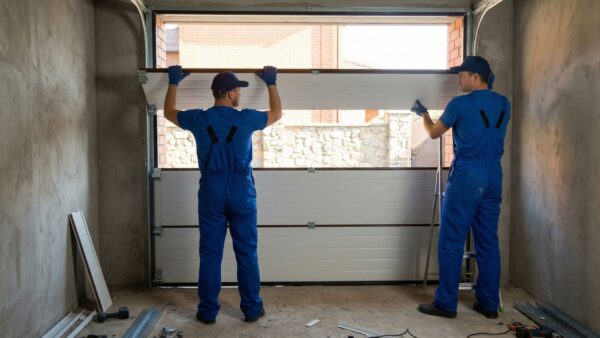
This is not a failure of maintenance. It is simply where all mechanical systems eventually arrive. A quality garage door installation with a properly matched opener often makes more practical sense than continued repair on an aging system, particularly when energy efficiency, security features, and long-term reliability are part of the calculation.
Modern doors are significantly better insulated, quieter, and more secure than those from even a decade ago. If the door is showing cosmetic damage alongside mechanical wear, replacement often adds more value than repair.
Does a New Garage Door Need Servicing Too?
Yes, and sooner than most people expect. New doors should be inspected within the first year, ideally after three to six months of regular use. Installation creates initial tension settings based on factory specs, but real-world use sometimes reveals adjustments needed for the specific door weight, spring configuration, or environmental conditions.
Hardware can also work loose during the break-in period. A brief early service visit catches these issues before they become wear problems.
Key Takeaways
- Annual garage door service is the recommended baseline for most homes, with twice-yearly servicing for heavy use or harsh climates.
- A proper service covers springs, cables, hardware, lubrication, balance, and safety sensors, not just a visual inspection.
- Skipping service does not save money. It shifts costs to more expensive repairs and creates safety risks.
- Simple monthly checks, such as listening, watching the movement, and testing auto-reverse, help you catch problems between professional visits.
- If a service reveals widespread component wear, a full replacement often offers better long-term value than repeated repairs.
Frequently Asked Questions
How long does a garage door service appointment typically take? For a standard residential door, most service appointments take between 45 minutes and 90 minutes. If adjustments or minor component replacements are needed, it may run slightly longer. Major repairs would be quoted and scheduled separately.
Can I service my garage door myself? Homeowner maintenance tasks like lubrication, sensor cleaning, and visual inspections are straightforward and recommended. However, spring adjustment and cable work should always be handled by a trained technician. The tension in torsion springs is enough to cause serious injury if released incorrectly.
What is the difference between servicing and repairing a garage door? Servicing is preventive. It is scheduled work done on a functioning door to maintain its condition and catch early wear. Repair is reactive. It addresses something that has already broken or failed. Regular servicing often reduces the frequency and cost of repairs.
How do I know if my garage door springs need attention? Common signs include the door feeling heavier than usual when opened manually, visible gaps in the spring coil, the door not staying in position when lifted halfway, or the opener straining audibly when operating. Any of these warrant a professional inspection.
Does weather affect how often I should service my garage door? Significantly. Extreme cold thickens lubricant and increases spring tension. Heat and humidity accelerate rust and corrosion. If you are in a region with harsh winters or very hot summers, twice-yearly servicing and seasonal lubrication checks are a sensible approach.
Ready to Schedule Your Garage Door Service?
If you cannot remember the last time your garage door was professionally inspected, that is reason enough to book a visit. Whether your door is running smoothly or showing early signs of wear, a routine service appointment is the most cost-effective step you can take to avoid unexpected breakdowns and keep your home secure.
The team at A Plus Garage Doors works with residential customers across the area, handling everything from routine maintenance to full installations. Reach out to schedule a service visit or get answers to questions about your current door’s condition.
Closing Thought
A garage door does not announce its problems until they are unavoidable. The springs do not warn you before they snap. The cables do not flag fraying until they fail. Regular maintenance is the only reliable way to stay ahead of those moments, to keep the door operating safely, and to avoid repairs that arrive with an inconvenient timeline and a larger bill.
Treating it like any other mechanical system in your home, with scheduled check-ups rather than breakdown-driven fixes, is simply the more practical approach.